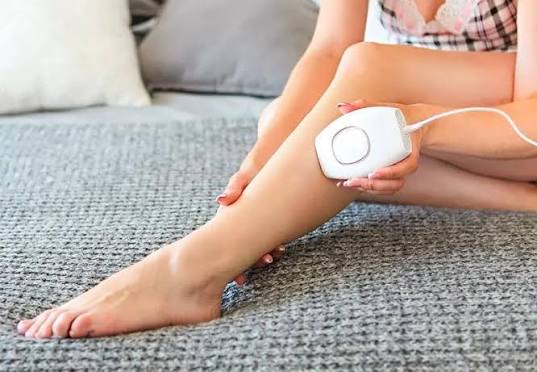
More than three-quarters of eye injuries linked to at-home light-based hair removal devices come down to one thing: the user wasn’t wearing the goggles properly, or wasn’t wearing them at all. That’s a finding from a review of ocular damage cases tied to IPL and laser units sold for use in the bathroom, not the clinic.
That number is the thread worth pulling on. Almost everything confusing about the at-home device boom sits downstream of it.
The box doesn’t read like a laser warning. The device doesn’t feel like a clinic tool. And the injury pattern lines up with what you’d expect from an untrained operator, because in practice there isn’t one.
The Eye Injury Pattern Is the Story
That three-quarters figure tells you where the harm is coming from. No mysterious hardware defect, no freak reaction. It’s the predictable result of pointing a bright, pulsed light source near a face without the eyewear the manufacturer shipped with it, or with eyewear that doesn’t match the device’s wavelength.
In the same body of case reports, iris atrophy, meaning permanent damage to the colored part of the eye, was the single most common injury, and the followed-up cases stayed permanent.
The hardware did its job. The safety layer around it is where things fell apart. A clinician who runs a comparable unit has to complete formal laser safety training before switching it on; the shopper unboxing the home version has nothing between the order confirmation and the first pulse.
The Box Is Selling You a Grooming Tool, Not a Light Source
Pick up a home IPL unit and the packaging talks about weeks of smoother skin, sessions per week, and a glide-and-flash motion. What it downplays is that the thing in your hand is an optical energy source designed to deposit enough heat in a hair follicle to disable it.
Frame the product as a grooming appliance and the user handles it like one. The goggles and the test patch get skipped.
Skin Tone and Hair Color Decide Device Safety For You
The other place the box goes quiet is on who the device works for. Light-based hair removal targets pigment, so the contrast between hair and surrounding skin drives both the result and the risk. Very light or gray hair absorbs little energy. Darker skin tones absorb a lot, and the heat lands where you don’t want it.
The distinction between single-wavelength diode units and broad-spectrum IPL matters here, and the suitability window is narrower than the marketing suggests. Match the device to your coloring before you buy, not after the first burn.
Expectations Are Part of the Safety Problem
The last piece is what users expect the device to do. The regulatory language cleared for these lasers is “permanent hair reduction,” meaning a long-term drop in the number of hairs that regrow, rather than a one-and-done erasure. Lose that distinction and people turn the intensity up, cut the recovery time between sessions, and go over the same patch again, which is the exact behavior the injury reports keep describing.
The device in the bathroom is a laser. Keep the goggles on, respect your skin and hair coloring, and accept the reduction the technology delivers. The box won’t tell you any of that. Now you’ve read it somewhere.