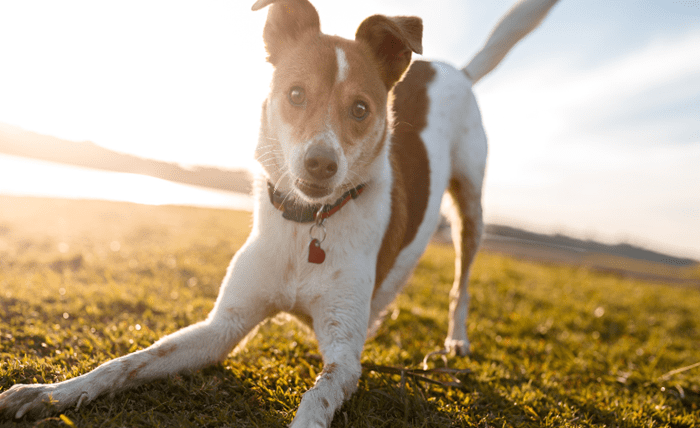
There is probably nothing more rewarding to any pet owner than watching a dog grows from an energetic, playful puppy into a wise senior companion. The body, behavior, and needs of dogs visibly change with age. While such changes are normal, understanding these changes can better equip one in caring thoughtfully and supportively for every stage of a pet’s life. Gradual changes in stamina from mobility considerations down to joint structure changes associated with conditions like CCL, discussed in forums and discussions about dogs, are modulated through education that enables owners to prepare in advance and maintain comfort and quality of life for their aging pets.
Nutritional additions, including adding a canine collagen supplement, also find their way into many owners’ routines in senior care and are integrated with diet and exercise and regular veterinarian monitoring.
Slowing Energy Levels and Changes in Activity
One of the first signs of aging is a generalized decline in energy. While dogs once ran endlessly as youths, they may now take more frequent breaks or simply not be as exuberant during longer playtimes. This change in no way means that the dog is unhealthy; this is simply a normal adjustment owing to a reduction in metabolism and stamina associated with increased age.
They also tend to pace themselves outdoors, taking much shorter bursts of activity without the long runs and jumps. Those dogs that participate in high-impact activities, especially larger breeds, may show more subtle changes associated with long-term loading of the joints earlier on in their lives. Conversations around conditions like CCL in dog communities often highlight the importance of adapting exercise routines as dogs get older. Gentle walks, controlled movement, and low-impact play help maintain muscle tone and support overall balance.
Considerations of Joint Structure and Mobility
With age, important changes can occur in the function and structure of canine joints, tendons, and connective tissues. Because each dog ages at its own special rate, changes can happen far earlier in the life of larger breeds, active dogs, and those leading very active lives. Indeed, with close observations, owners are sometimes able to notice subtle changes in the way a dog rises from rest, navigates stairs, or maneuvers slippery surfaces.
Some owners also like adding a supplement to their regimen that contains canine collagen, which helps the overall structural integrity of the connective tissues as their dogs age. These supplements do not have very specific results; they are often part of a larger wellness program that can also include modification of exercise, weight management, and frequent visits with a veterinarian. Close follow-up of joint function is necessary in dogs with a history of intense activity, as sometimes age reveals earlier wear patterns.
Behavioral and Cognitive Changes
These physical changes may be complemented by cognitive changes as the dogs progress to old age. Older dogs react much more sluggishly to prompts, sleep a lot more soundly, and are often wary in new situations. These behaviors change rather gradually.
The three big things that work best for seniors are routine, predictability, and mental stimulation, since their perception and processing change. These provide stimulation without overtaxing them through puzzle toys, gentle training games, and quiet social interactions. Patterns of sleeping can indicate early changes in cognitive adjustments; for example, changes in sleeping, spacing, or orientation. This can be observed, which allows the owners to support the dogs while they mature.
Changes in Appetite and Digestive Patterns
A dog’s appetite, or rather the ability to digest foods, changes with age. Some dogs become pickier eaters, while others remain as eager to eat as always but require different textures or levels of protein. Digestive efficiency may change also, and nutritional balance may need to be monitored more carefully.
Many owners of aging canines reassess feeding methods, portion control, and nutrient combinations, as well as times of feeding. Where additions such as the dog joint supplement are concerned, proper incorporation of such supplementation into a diet meeting requirements for stage in life, breed, and health plan is important. Gradual changes to diets allow for canines to comfortably transition, maintaining consistency in nutrient intake.
Skin, Coat, and Muscle Condition
A number of changes can be realized with age in a dog’s skin and coat: the once glistening coat now becomes coarser and sometimes thinner, while some dogs actually start shedding differently. Muscle mass, too, differs in particular canine breeds known to slow down because of age.
Comfort and confidence can be preserved in aging dogs through support of muscle condition by controlled exercise, appropriate nutrition, and regular grooming. Brushing maintains the quality of the coat, but it also increases circulation and enhances bonding time. It is also useful for observing changes in the coat to spot sensitivities to environmental conditions, seasonal adjustments, or nutritional imbalances.
Sensory Changes: Vision, Hearing, and Awareness
The two common changes that accompany aging are reduced hearing and vision. They may be slower to react to sounds, behave differently to oncoming people, or show reluctance in poor lighting. Changes often make dogs less confident, especially in new situations or environments. A senior-friendly space-one with consistent lighting, non-slip surfaces, and clear walking paths supports the aging dog through his or her changing sensory awareness. Many owners find that hand signals, scent cues, and routines often make it easier for an older dog to find his or her way in the world.
The Importance of Regular Health Monitoring
For a senior dog, routine veterinary care becomes of utmost importance. Regular checkups allow changes to be tracked in small steps rather than only when something becomes pronounced. Such visits are among the most important concerning mobility considerations, weight management, and dental care, besides the ongoing discussion related to joint structure, which includes topics related to CCL in dog health. Recordings of home observations such as activity, appetite, changes in movement, or changes in behavior provide important information for the veterinarian and help him give more personalized advice.
Final thoughts
Such natural causes of aging in dogs involve changes to mobility, behavior, sensory function, and daily rhythm. Being sure to watch for such shifts with care, adapting routines thoughtfully, and considering supportive additions such as a canine collagen supplement are all part of the complete wellness program for owners to keep their senior companions comfortable and engaged. In fact, many owners use such products, like OptiWize Collagen Plus, as part of a much larger approach to the care of aging dogs, including good nutrition, regular monitoring, and gentle activity to foster a good quality of life for their pets.