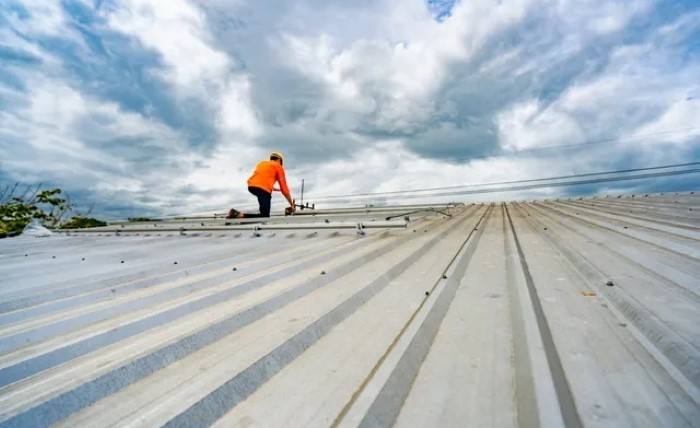
TPO roofing installation has become one of the most popular choices for flat and low-slope roofs, especially in commercial buildings. It is known for being energy-efficient, durable, and cost-effective. Many property owners choose TPO because it performs well in hot climates and helps reduce cooling costs.
What Is TPO Roofing?
TPO stands for Thermoplastic Polyolefin. It is a single-ply roofing membrane used mainly on flat roofs. The material is designed to reflect sunlight and resist heat, making it ideal for buildings that experience high temperatures.
Unlike traditional roofing systems, TPO comes in large rolls and is installed in sheets. The seams are heat-welded to create a strong, waterproof surface.
Why TPO Roofing Is So Popular
TPO roofing is widely used because it balances performance and affordability. It is especially common in commercial buildings, warehouses, and modern residential structures with flat roofs.
Some of its main advantages include:
- Reflects heat and improves energy efficiency
- Resistant to UV rays and weather damage
- Lightweight but strong
- Cost-effective compared to many roofing systems
- Flexible installation options
Many contractors recommend it because it performs well in both hot and moderate climates.
Understanding TPO Roofing Installation
tpo roofing installation is a step-by-step process that requires skill and proper tools. While the concept may seem simple, correct installation is very important for long-term durability.
According to professional roofing guides, even small installation mistakes can lead to leaks or reduced lifespan.
Step-by-Step Installation Process
The installation process starts with preparing the roof surface. The roof must be clean, dry, and structurally sound before any material is applied. Any damage or weak spots are repaired first to ensure a stable base.
Next, insulation boards are installed if required. These help improve energy efficiency and provide a smooth surface for the membrane.
After insulation, a TPO membrane is rolled out across the roof. The sheets are carefully aligned to avoid gaps or overlaps. One of the most important parts of the process is sealing the seams. Heat welding is used to fuse the sheets together, creating a strong waterproof bond.
Finally, edges and corners are secured, and flashing is installed around vents, drains, and other roof openings. This step ensures that no water can enter vulnerable areas.
Key Factors That Affect Installation Quality
The quality of a TPO roof depends heavily on how it is installed. Even the best materials can fail if the installation is poor.
Temperature during installation plays an important role. If the weather is too cold or too hot, it can affect how well the seams bond. Proper surface preparation is also critical because dirt or moisture can weaken adhesion.
Another important factor is drainage planning. Flat roofs must be designed to allow water to flow properly, preventing pooling and long-term damage.
Common Mistakes During TPO Installation
Some common installation mistakes can reduce the lifespan of a TPO roof. Poor seam welding is one of the biggest issues, as it can lead to leaks over time. Another mistake is improper insulation placement, which can affect energy efficiency.
Ignoring roof slope and drainage design is also a common problem. Without proper drainage, water can collect and damage the membrane.
Professional guides often highlight these issues because they are the most frequent causes of roofing failures.
Benefits of Proper TPO Installation
When installed correctly, TPO roofing offers long-term benefits for both residential and commercial buildings.
It helps reduce energy bills by reflecting sunlight, keeping indoor spaces cooler. It also provides strong resistance against rain, wind, and UV exposure. Over time, this can significantly reduce maintenance costs and extend roof lifespan.
Another benefit is ease of repair. If damage occurs, sections of the membrane can often be repaired without replacing the entire roof.
Maintenance After Installation
Even though TPO roofs are durable, regular maintenance is still important. Roof inspections should be done at least twice a year to check for seam issues, punctures, or drainage problems.
Keeping the roof clean and free from debris also helps maintain its performance. Small repairs done early can prevent larger, more expensive issues later.
Final Thoughts
TPO roofing installation is a smart choice for property owners looking for a durable, energy-efficient, and cost-effective roofing solution. However, proper installation is the key to getting the full benefits of the system.
From surface preparation to seam welding and final sealing, every step matters. Poor installation can lead to leaks and reduced performance, while professional installation ensures long-term reliability.
A properly installed TPO roof is not just a protective layer—it is a long-term investment in energy savings, durability, and building safety.