Insulating a flat roof from inside is one of the most practical ways to improve energy efficiency in homes and commercial buildings. It helps reduce heat loss in winter, keeps interiors cooler in summer, and improves overall comfort.
Many homeowners choose this method when external insulation is not possible or too expensive. In this guide, we will explain everything in simple language so you can understand how the process works and what to consider before starting.
Why Flat Roof Insulation from Inside Matters
Flat roofs are more exposed to temperature changes compared to sloped roofs. Without proper insulation, heat moves easily in and out of the building.
This leads to:
- Higher electricity bills
- Uncomfortable indoor temperatures
- Condensation and moisture issues
- Long-term roof damage
That is why many experts recommend learning proper techniques such as those explained in guides like how to insulate flat roof from inside for better building performance.
When You Should Consider Internal Roof Insulation
Internal insulation is not always the first step, but it is very useful in many cases.
You should consider it when:
- External roof access is limited
- The roof is already installed and in good condition
- You want a cost-effective upgrade
- You are renovating an older property
In such situations, following methods similar to those in how to insulate flat roof from inside can help improve energy efficiency without major construction work.
Best Methods for Insulating a Flat Roof from Inside
There are several techniques used depending on the structure of the roof.
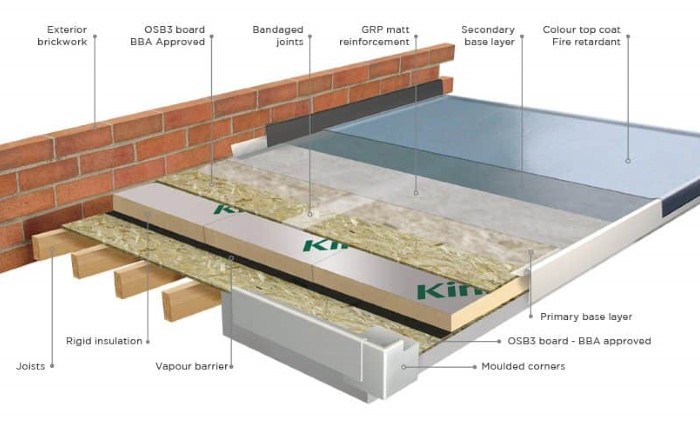
1. Between joist insulation
This method places insulation material between wooden beams. It is simple and widely used.
2. Below joist insulation
Insulation boards are installed under the roof structure to improve thermal performance.
3. Combined method
This uses both above methods for better efficiency and reduced heat loss.
Each method must be carefully installed to avoid gaps or air leakage, which is also emphasized in professional guides like how to insulate flat roof from inside.
Materials Commonly Used for Flat Roof Insulation
Choosing the right material is very important for long-term performance.
Popular insulation materials include:
- Mineral wool
- PIR (polyisocyanurate) boards
- Rigid foam boards
- Spray foam insulation
Each material has different advantages in terms of cost, durability, and insulation value.
According to expert recommendations in how to insulate flat roof from inside, PIR boards are often preferred for their high efficiency and moisture resistance.
Step-by-Step Process of Internal Flat Roof Insulation
Understanding the process helps you know what to expect during installation.
Step 1: Roof inspection
The structure is checked for leaks, damage, or weak points.
Step 2: Surface preparation
The area is cleaned and repaired if needed.
Step 3: Vapor barrier installation
A vapor control layer is added to reduce condensation risk.
Step 4: Installing insulation
Insulation materials are fitted between or below the roof joists.
Step 5: Sealing gaps
All joints are sealed to prevent air leakage.
Step 6: Interior finishing
The ceiling is closed with plasterboard or panels.
This process is clearly explained in professional resources like how to insulate flat roof from inside, which highlight the importance of moisture control.
Common Mistakes Homeowners Should Avoid
Improper installation can lead to serious issues.
Common mistakes include:
- Skipping vapor barrier installation
- Leaving air gaps in insulation
- Using wrong thickness of material
- Ignoring ventilation requirements
- Covering damp roof areas without repair
Many of these issues are discussed in detail in how to insulate flat roof from inside, especially the importance of avoiding condensation problems.
Benefits of Internal Flat Roof Insulation
When done correctly, insulation offers long-term advantages.
Key benefits:
- Lower energy bills
- Better indoor comfort
- Reduced heat loss
- Protection from moisture damage
- Improved building efficiency
Homeowners often follow guides like how to insulate flat roof from inside to achieve these benefits without unnecessary construction costs.
When You Should Hire a Professional
Although some insulation work looks simple, flat roofs require proper planning.
Call a professional if:
- You notice roof leaks or dampness
- The structure is old or damaged
- You are unsure about vapor barriers
- The roof design is complex
- You want long-term guaranteed results
Experts ensure proper installation and follow standards similar to those explained in how to insulate flat roof from inside to avoid future issues.
Final Thoughts
Insulating a flat roof from inside is an effective way to improve energy efficiency, reduce heating costs, and make indoor spaces more comfortable. However, the process must be done carefully to avoid condensation and moisture-related problems.
Proper material selection, correct installation, and attention to ventilation are key to long-term success.
A well-insulated flat roof is not just about comfort—it is about protecting your entire building and reducing long-term maintenance costs.