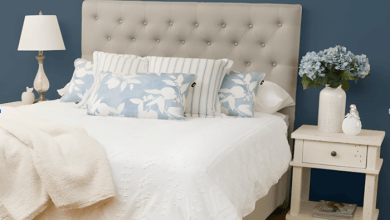
The kitchen contains exactly three cookbooks, arranged by height on an otherwise empty counter. The master bedroom features a single hardcover novel on the nightstand, spine uncracked, positioned at a precise angle. In the living room, abstract art hangs above a sofa that has never supported an actual human body in a genuine moment of relaxation. Every object in this house exists for a single purpose: to tell you a story about the life you could be living.
Model homes don’t just sell properties. They sell aspirations, lifestyles, and carefully constructed visions of domestic perfection. More revealing than the homes themselves is what their staging choices expose about our collective anxieties, values, and fantasies regarding how life should look within residential walls.
The Performance of Leisure
Show houses stage leisure in highly specific ways. The backyard features outdoor furniture arranged for conversation, perhaps with a built-in barbecue area suggesting effortless entertaining. Inside, you might find a reading nook with a comfortable chair and perfect lighting. Some properties include a media room or home office staged to suggest productive relaxation.
What’s revealing here is the emphasis on curated, intentional leisure rather than spontaneous relaxation. These spaces don’t show people collapsed on sofas scrolling their phones, which is how most people actually spend their downtime. Instead, they present leisure as another form of purposeful living. You read hardcover books in designated reading nooks. You gather friends for thoughtfully hosted barbecues. You use your home office for meaningful side projects, not just paying bills and storing paperwork.
This staging choice reflects anxiety about wasted time and unproductive leisure. The show house suggests that your home should facilitate better versions of relaxation, that the right spaces will inspire you to engage in more enriching activities. It’s selling not just a house but a fantasy of self-improvement through environmental design.
The Conspicuous Absence of Work
Despite the prevalence of remote work, show houses rarely acknowledge the messy reality of working from home. That styled home office features a clean desk, attractive accessories, and professional-looking shelving. It doesn’t show the tangle of charging cables, the stacks of unsorted documents, the coffee rings, or the way work gradually colonizes every surface when your home becomes your office.
This omission is telling. We want our homes to feel like sanctuaries from work, even as economic reality increasingly demands that they function as workplaces. The staged home office sells a fantasy of work-life balance: a dedicated space where professional obligations remain contained, never bleeding into the rest of your domestic life. It’s a beautiful lie that reveals how deeply we wish our homes could remain separate from employment pressures.
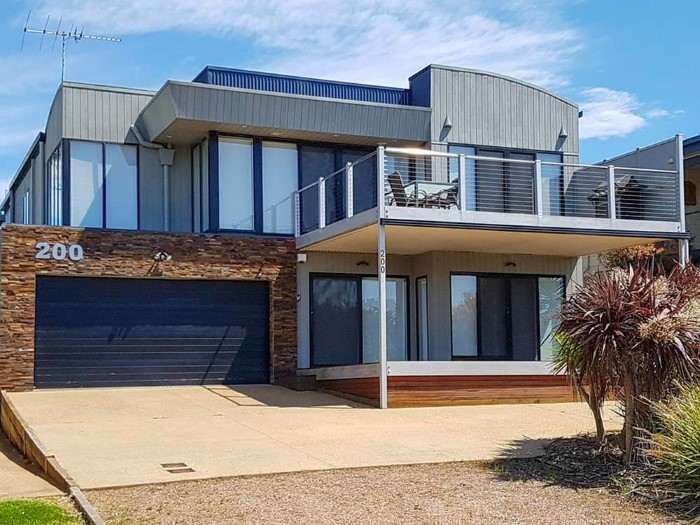
Some properties, particularly those marketed around display homes Ballarat and similar regional areas where remote work has enabled urban exodus, emphasize home offices more prominently. But even these spaces maintain the fiction of pristine, controllable work environments. They acknowledge that you need workspace while denying the chaos that work actually introduces into residential settings.
Reading Between the Staged Lines
These perfectly curated spaces function as mirrors reflecting our collective hopes and anxieties back to us. They show us households without clutter, family life without chaos, leisure without guilt, work without intrusion, and social lives that justify our investment in entertaining spaces. Most tellingly, they present these fantasies without acknowledging the enormous gap between staged perfection and lived reality.
Understanding what show houses reveal about our housing dreams doesn’t diminish their appeal. If anything, recognizing these aspirations helps explain why touring model properties feels so compelling. They’re not just showing us houses. They’re showing us idealized versions of ourselves, living in ways that feel perpetually just out of reach. That gap between aspiration and reality isn’t a problem to solve. It’s the space where housing dreams live, and show houses have become remarkably skilled at furnishing that space with exactly the right details to keep us dreaming.