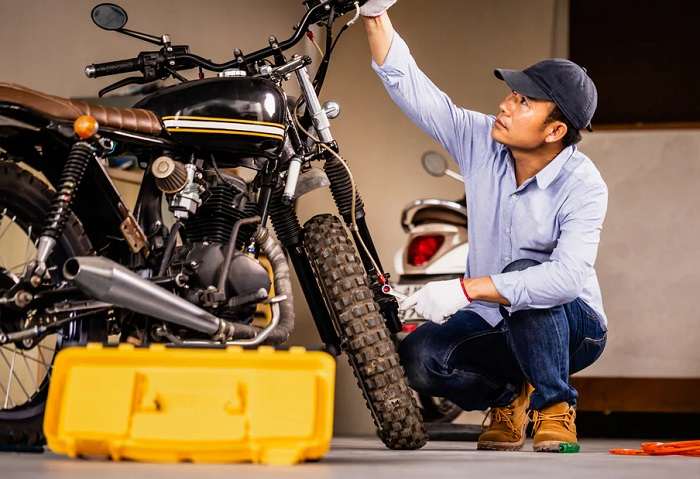
For motorcyclists, the joy of riding is unparalleled. The sense of freedom, speed, and agility on the road is what makes motorcycling an exhilarating experience. However, this experience is greatly influenced by the performance and maintenance of your motorcycle. To get the most out of every ride, it is crucial to focus on the essential motorcycle parts that facilitate peak performance and maintenance. Whether you are a weekend rider or an everyday commuter, understanding what components require your attention can be the difference between a smooth journey or a roadside breakdown.
Significance of Motorcycle Components
Motorcycles, much like any other mechanical equipment, rely on a multitude of components working harmoniously. Each part, whether big or small, holds its own significance in ensuring that your ride remains reliable and efficient. From the engine and exhaust system to the braking mechanism and suspension, your motorcycle is an intricate assembly of parts that demand regular attention and care.
Engine: The Heart of a Motorcycle
The engine is the powerhouse of any motorcycle, and its performance is paramount to a rider’s experience. It is essential to keep the engine in the best condition possible through regular oil changes, timely maintenance, and ensuring that all connections and parts are functioning correctly. High-quality oils and fluids are key components that help in reducing engine wear and maintaining optimum lubrication.
Brakes: The Safety Assurance
Brakes are the most critical safety feature on your motorcycle. Maintaining them is not just necessary for peak performance but is vital for your safety on the road. Regularly checking the brake pads for wear, ensuring the brake lines are free from any leaks, and maintaining the correct brake fluid levels are compulsory checks for any motorcyclist.
High-Performance Tires
Tires are your motorcycle’s only point of contact with the road. They play a significant role in handling, traction, and safety. Investing in high-quality tires and checking their air pressure, tread depth, and overall condition is vital. Remember, the right tire pressure not only improves the motorcycle’s performance but also increases the longevity of the tires themselves.
Suspension: The Ride Quality Determinant
The suspension system is designed to absorb shocks and ensure that the ride is smooth and comfortable. Over time, suspension components such as the shocks and forks can wear out, affecting the motorcycle’s handling and comfort. Regular inspection and maintenance are necessary to retain cutting-edge ride quality and comfort.
The Electrical System
A motorcycle’s electrical system comprises of the battery, starter, and the ignition system. These parts are crucial for starting the motorcycle and powering all its electrical components. Ensuring that your battery is fully charged, the connections are clean, and the starter motor is in good condition is crucial for reliable functionality.
Lights and Indicators
Aside from functionality, the lights and indicators are crucial for safety, making you visible to other road users. It’s important to ensure that all lights are working correctly and are bright enough to be seen during all times of the day.
The Importance of Regular Maintenance
Adhering to regular maintenance schedules can significantly extend the life of your motorcycle and enhance its performance. It’s advisable to refer to the user manual provided by your manufacturer for maintenance guidelines specific to your motorcycle model. Should you opt to do the maintenance yourself, having the right motorcycle parts is crucial for effective upkeep.
Upgrades and Performance Enhancements
Beyond maintenance, many enthusiastic riders look to enhance their motorcycle’s performance with upgrades. Aftermarket motorcycle parts can often lead to significant improvements in performance, aesthetic appeal, and tailor the riding experience to individual preferences.
Choosing Quality Parts
When shopping for motorcycle parts, choosing high-quality components is of the essence. Quality parts are often manufactured with superior materials and engineering, which translates to better performance and longevity. Motorcyclists should invest in reputable brands and vendors that are synonymous with excellence in the motorcycle industry.
The Role of Professional Mechanics
While doing your own maintenance can be rewarding, some tasks require the expertise of a professional mechanic. Complex tasks such as engine overhauls, transmission work, or electronic diagnostics should be handled by professionals to avoid any additional damage or safety issues.
Finding the Right Parts Supplier
Locating a reliable supplier for motorcycle parts can be a daunting task. It is imperative to source your parts from a reputable supplier that guarantees authenticity and provides customer support. An extensive selection of parts allows for precise compatibility and high performance, ultimately reflecting on the quality of your ride.
Maintaining and upgrading your motorcycle with the right parts is not only essential for performance but also prolongs the lifespan of your motorcycle. A dedicated approach to regular maintenance, coupled with using quality motorcycle parts, ensures that your motorcycle stays in peak condition, offering a safe and enjoyable riding experience for years to come.
It’s worth remembering that the condition of a motorcycle is reflective of its owner’s care and attention. As such, it is important to never underestimate the power of maintenance and the selection of the right parts. By focusing on these essential aspects, motorcyclists can significantly enhance the performance and reliability of their beloved machines, ensuring that each ride is as thrilling as the last.