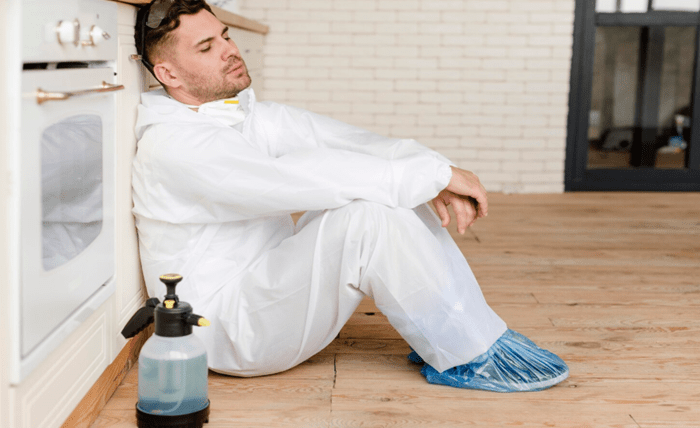
Moisture problems in homes and buildings can create an ideal environment for pest infestations. When excess moisture accumulates, it can lead to structural damage, mold growth, and attract various pests seeking water and shelter. These conditions are particularly concerning in areas with high humidity or frequent rainfall. Homeowners and property managers must be vigilant in identifying and addressing moisture issues to prevent pest problems. Understanding the connection between moisture and pest infestations is crucial for maintaining a healthy and pest-free environment. This article delves into the causes, effects, and solutions related to moisture-induced pest issues.
Understanding Moisture and Pest Connections
Moisture problems often arise from leaks, poor ventilation, or inadequate drainage systems. When water accumulates in basements, crawl spaces, or attics, it creates a breeding ground for pests such as termites, cockroaches, and rodents. These pests are drawn to damp environments because they provide the necessary conditions for survival and reproduction. Termites, for instance, thrive in moist wood, which can lead to significant structural damage if not addressed promptly. Similarly, cockroaches are attracted to damp areas where they can find food and water. The presence of these pests not only poses health risks but also leads to costly repairs and maintenance.
In addition to structural damage, moisture problems can lead to mold growth, which further attracts pests. Mold provides a food source for certain insects, and its presence can exacerbate respiratory issues in humans. The combination of mold and pests creates an unhealthy living environment that requires immediate attention. Homeowners should regularly inspect their properties for signs of moisture accumulation, such as water stains, musty odors, or visible mold. Addressing these issues promptly can prevent pest infestations and maintain a safe and healthy home.
Common Pests Attracted by Moisture
Various pests are attracted to moisture-rich environments, each posing unique challenges. Termites are among the most destructive, as they feed on wood and can compromise the structural integrity of a building. They are particularly drawn to damp wood, making it essential to address any leaks or water damage promptly. Cockroaches, on the other hand, are known for their resilience and ability to thrive in moist, dark areas. They can spread diseases and trigger allergies, making their presence a significant health concern.
Rodents, such as mice and rats, are also attracted to moisture. They seek out water sources and can cause extensive damage by gnawing on wires, insulation, and other materials. Additionally, rodents can carry diseases that pose serious health risks to humans. Pest Control Omaha services often emphasize the importance of addressing moisture issues to prevent rodent infestations. By eliminating water sources and sealing entry points, homeowners can reduce the likelihood of attracting these pests.
Preventing Moisture-Related Pest Infestations
Preventing moisture-related pest infestations requires a proactive approach. Regular maintenance and inspections are crucial in identifying and addressing potential moisture issues before they become problematic. Homeowners should ensure that their properties have proper drainage systems to prevent water accumulation. Gutters and downspouts should be cleaned regularly to avoid blockages that can lead to water damage. Additionally, sealing cracks and gaps in the foundation can prevent water from seeping into basements and crawl spaces.
Ventilation is another critical factor in preventing moisture problems. Proper ventilation in attics, basements, and crawl spaces can reduce humidity levels and discourage pest infestations. Installing dehumidifiers in areas prone to moisture can also help maintain optimal humidity levels. Homeowners should also be mindful of indoor plumbing leaks, as even small leaks can lead to significant moisture problems over time. By addressing these issues promptly, homeowners can create an environment that is less conducive to pest infestations.
Quick Tips for Moisture Management
Effective moisture management is key to preventing pest infestations. Homeowners should regularly inspect their properties for signs of water damage and address any issues promptly. Ensuring proper ventilation and drainage can significantly reduce the risk of moisture accumulation. Additionally, using dehumidifiers in areas prone to dampness can help maintain a dry environment. By taking these steps, homeowners can protect their properties from the damaging effects of moisture and the pests it attracts.
Conclusion
Moisture problems are a common issue that can lead to severe pest infestations if not addressed promptly. The presence of excess moisture creates an inviting environment for pests such as termites, cockroaches, and rodents, which can cause significant damage and pose health risks. By understanding the connection between moisture and pest infestations, homeowners can take proactive measures to prevent these issues. Regular inspections, proper ventilation, and effective drainage systems are essential in maintaining a dry and pest-free environment. Addressing moisture problems not only protects the structural integrity of a property but also ensures a healthy living space for its occupants.