Las Vegas is renowned for its dazzling Strip and energetic nightlife, drawing millions of visitors each year. Yet, beneath the city’s vibrant lifestyle lies a less glamorous reality: Las Vegas experiences a high volume of intersection-related accidents year-round. With congested roads, constant tourist traffic, and rapidly changing city infrastructure, intersection collisions remain a major concern for drivers and pedestrians. Understanding what makes these crossings hazardous and learning about legal resources, such as blakefriedmanlaw.com, is vital for anyone navigating the city’s busy streets.
Intersection accidents not only disrupt lives but often result in serious, life-altering injuries. Knowing where the most dangerous crossings are and which risky behaviors contribute most to these crashes can help locals and tourists make informed decisions on the road. Increased awareness and proactive measures are crucial for reducing accident rates and making Las Vegas a safer place for everyone.
Most Dangerous Intersections in Las Vegas
Recent traffic analysis and local accident reports highlight several intersections in Las Vegas with an alarming frequency of collisions. Understanding which intersections to approach with extra caution can dramatically increase safety for all road users.
- Flamingo Road & Rainbow Boulevard: This intersection experienced 26 reported crashes between January 1 and May 9, 2025. Heavy traffic volume, numerous lanes, and confusing signage combine to make this an especially hazardous area.
- Eastern and Sahara Avenues: With 24 accidents reported in the same period, congestion and frequent stops make this intersection problematic, especially during rush hours.
- Charleston Boulevard and Lamb Boulevard: Ongoing construction in this area contributed to 23 reported accidents, often due to reduced visibility and drivers making abrupt lane changes.
The concentration of crashes at these intersections mirrors national trends. As a resource, the National Highway Traffic Safety Administration (NHTSA) provides guidance on how intersection design and driver behavior combine to influence accident rates, which is relevant for understanding these local challenges.
Common Causes of Intersection Accidents
Several underlying causes repeatedly appear in Las Vegas crash data. By recognizing these behaviors, drivers can be better prepared to avoid risky situations at intersections:
- Speeding: Higher speeds give drivers less time to react and increase the force of collisions, especially when light signals change unexpectedly, or vehicles block sight lines.
- Distracted Driving: Texting, eating, or adjusting music diverts attention, leading to slower response times and missed signals.
- Failure to Yield: Not giving right-of-way to other vehicles or pedestrians is a clear violation that frequently results in side-impact accidents.
- Running Red Lights: Drivers who try to beat the light often collide with cross-traffic, making this one of the most common causes of T-bone crashes.
Roadway design, impaired driving, and unfamiliarity with local routes also contribute to intersection danger. Urban intersections, in particular, are known nationwide for their higher crash risk. AutoInsurance.org provides further insights into nationwide intersection trends and contributing factors.
Preventive Measures for Drivers
Many intersection accidents can be prevented by following simple yet effective safety practices. Drivers are encouraged to:
- Adhere to Speed Limits: Respecting posted speed limits gives drivers more control and time to respond to unexpected road conditions.
- Minimize Distractions: Turn off mobile devices or use hands-free technology to stay focused, especially in heavy-traffic areas.
- Know Local Traffic Laws: Understanding Nevada’s right-of-way rules can prevent conflicts and confusion at intersections.
- Drive Defensively: Always anticipate the possibility that another driver might make a mistake and be prepared to react accordingly.
- Use Turn Signals and Check Blind Spots: Clearly signaling intentions and maintaining awareness of nearby vehicles and pedestrians can help prevent side and rear-end collisions.
Legal Implications and Responsibilities
Involvement in an intersection accident can carry significant legal and financial consequences. At-fault drivers may face penalties such as fines, license points, increased insurance costs, and, in severe cases, even criminal charges if negligence or impairment is involved.
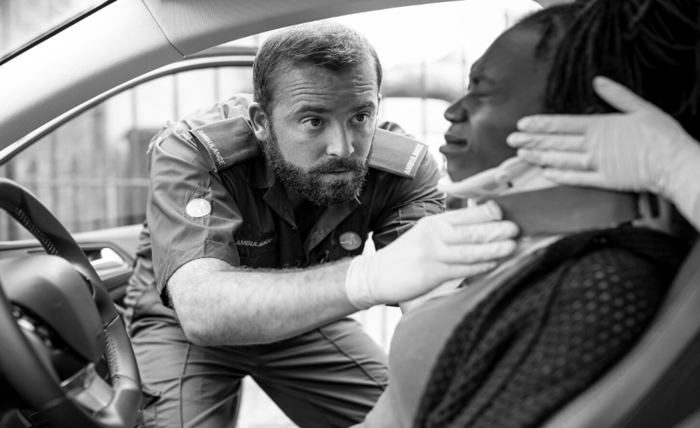
If you are a victim in an intersection crash, it is crucial to document the scene, seek prompt medical attention, and understand your rights regarding compensation for damages and injuries. Nevada follows a comparative negligence rule, under which fault can be shared among parties according to each person’s degree of responsibility. Legal guidance from professionals experienced in Las Vegas accident cases, such as those found at the link above, can be invaluable during the claims process.
Conclusion
Intersection accidents in Las Vegas are a persistent threat, particularly at some of the city’s busiest crossings. By staying alert, adhering to local traffic laws, and practicing defensive driving, drivers can aggressively reduce their risk of being involved in a crash. Understanding the common causes and legal implications empowers everyone on the road to make safer choices, ultimately helping to transform Las Vegas intersections from danger zones into safer spaces for all.