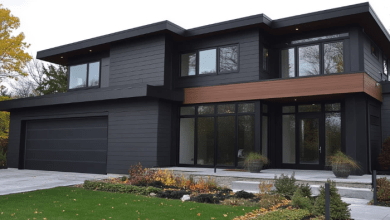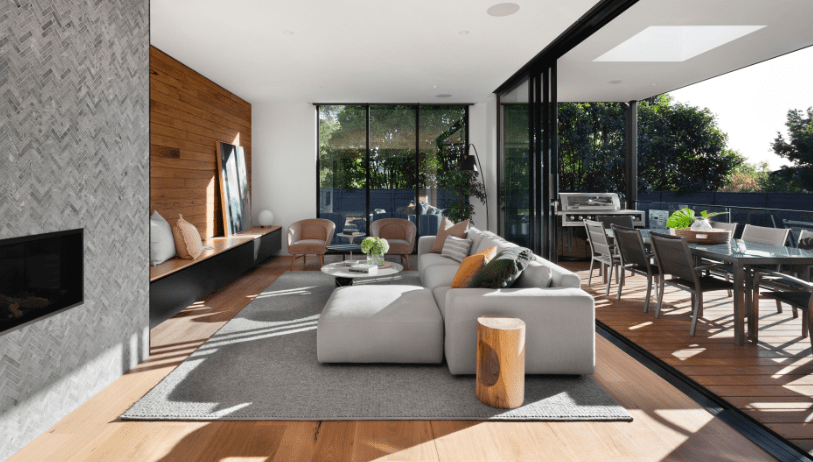
Renovating an apartment is an exciting yet challenging endeavor. Whether you’ve just purchased an older unit, want to modernize your living space, or are planning to increase your property’s value, a well-executed renovation can completely transform your home. Apartment renovations require careful planning, budgeting, and design decisions, as the constraints of shared buildings and limited space add layers of complexity. In this article, we’ll explore the essential steps, strategies, and tips for a successful apartment renovation.
Planning and Budgeting
The foundation of any renovation project lies in planning. Before picking up a hammer or hiring a contractor, it’s crucial to define your goals clearly. Ask yourself: Are you renovating for personal comfort or investment purposes? Do you want to improve functionality, aesthetics, or both? Understanding the scope of your project helps guide every subsequent decision.
Next, set a realistic budget. Renovations can quickly exceed expectations if costs are not closely monitored. Include expenses such as materials, labor, permits, furniture, and contingency funds for unexpected problems. For apartments, you may also need to account for shared building costs or restrictions, such as elevator usage for construction or noise regulations.
Creating a timeline is equally important. Determine the order of tasks, factoring in any necessary approvals from building management or homeowners’ associations. A clear schedule helps avoid delays, which can be costly in both time and money.
Understanding Building Regulations
Apartment living comes with unique limitations. Many buildings enforce strict rules regarding renovations to maintain structural integrity and safety. For instance, you may be restricted in altering load-bearing walls, plumbing, or electrical systems. Some apartments require permits for certain upgrades, such as adding a new balcony, changing windows, or installing heavy appliances.
It’s essential to check your lease agreement or building bylaws before starting any project. Violating regulations can result in fines or even orders to reverse completed work. Consulting with professionals, such as architects or contractors familiar with local laws, can save you a lot of headaches.
Design Considerations
Apartment renovations often revolve around optimizing limited space. A small living area benefits from open layouts, multifunctional furniture, and clever storage solutions. For example, built-in cabinets and under-bed storage can keep clutter out of sight, making rooms appear larger.
Lighting plays a critical role in creating the desired atmosphere. Natural light can be maximized by using light-colored walls, reflective surfaces, and strategically placed mirrors. For artificial lighting, layering—combining ambient, task, and accent lights—ensures a versatile and visually appealing environment.
When choosing materials, consider durability and maintenance. Apartments endure high traffic, so flooring, countertops, and wall finishes should be both stylish and long-lasting. For eco-conscious homeowners, energy-efficient appliances and sustainable materials are increasingly popular choices.
Structural and Functional Upgrades
One of the main reasons for renovating an apartment is improving functionality. This often involves upgrading key systems like plumbing, electrical, and HVAC. Modernizing these systems increases safety, efficiency, and comfort.
Kitchen and bathroom renovations typically offer the highest return on investment. In kitchens, consider replacing outdated cabinets, countertops, and appliances. Open shelving and minimalist designs can make small kitchens feel more spacious. A luxurious bathroom renovation, complete with high-quality fixtures and elegant tiles, can completely transform the space into a personal retreat. Bathrooms can be refreshed with new tiles, fixtures, and water-saving options. Simple changes like installing a rainfall shower or LED lighting can elevate the look without requiring a full remodel.
Flooring is another area that can dramatically change the feel of an apartment. Hardwood or laminate floors provide a timeless appeal, while tiles are ideal for moisture-prone areas like kitchens and bathrooms. Even minor updates like repainting walls or changing door handles can make a significant difference.
DIY vs. Professional Help
Deciding between do-it-yourself (DIY) renovations and hiring professionals depends on your skills, budget, and the complexity of the project. Simple tasks such as painting, installing shelves, or changing light fixtures can often be handled independently. DIY work saves money and allows for creative freedom.
However, electrical, plumbing, and structural changes should almost always be left to licensed professionals. Mistakes in these areas can be dangerous and costly. Hiring experts also ensures that the work meets building codes and passes inspections, preventing future legal or safety issues.
Maximizing Space in Small Apartments
Many apartment dwellers face space constraints, making smart design choices essential. Here are a few strategies to maximize space:
- Open floor plans: Removing non-structural walls can create a sense of flow and make spaces feel larger.
- Multipurpose furniture: Beds with drawers, extendable tables, and fold-out desks optimize limited space.
- Vertical storage: Use tall shelves and wall-mounted racks to free up floor area.
- Hidden storage: Under-sofa drawers, ottomans, and built-in cabinets keep clutter out of sight.
- Mirrors and lighting: Reflective surfaces and layered lighting can visually expand a room.
These strategies make even compact apartments feel airy and organized.
Sustainable Renovation Choices
Modern apartment renovations increasingly focus on sustainability. Energy-efficient lighting, low-flow plumbing fixtures, and insulated windows reduce environmental impact and utility costs. Using recycled or eco-friendly materials, like bamboo flooring or reclaimed wood, can add character while supporting green building practices.
Smart home technology also contributes to sustainability. Programmable thermostats, energy-efficient appliances, and motion-sensor lights minimize energy waste, making your renovated apartment eco-friendly and cost-effective over the long term.
Final Touches and Decoration
Once structural and functional improvements are complete, it’s time to add personal style. Paint colors, furniture selection, and décor reflect your personality and make the space feel like home. Accessories such as rugs, curtains, and artwork can tie together the design while providing warmth and texture.
Consider creating zones within open-plan apartments. For example, a small bookshelf or rug can separate living and dining areas without physical walls. Indoor plants not only enhance aesthetics but also improve air quality and create a relaxing environment.
Maintaining Your Renovated Apartment
A renovation is an investment, and maintaining it ensures longevity. Regular cleaning, prompt repair of minor issues, and periodic inspections of plumbing, electrical systems, and appliances prevent bigger problems. Adopting a maintenance schedule helps protect both the functionality and appearance of your apartment.
Conclusion
Apartment renovation is a journey that combines creativity, planning, and practical execution. From setting a budget and navigating building regulations to choosing materials and maximizing space, each step plays a vital role in achieving a successful outcome. Whether you’re upgrading for personal comfort or investment purposes, a well-planned renovation can transform a dated apartment into a stylish, functional, and sustainable living space.
With careful preparation and attention to detail, your apartment can become more than just a place to live—it can be a reflection of your lifestyle, taste, and vision for the future.