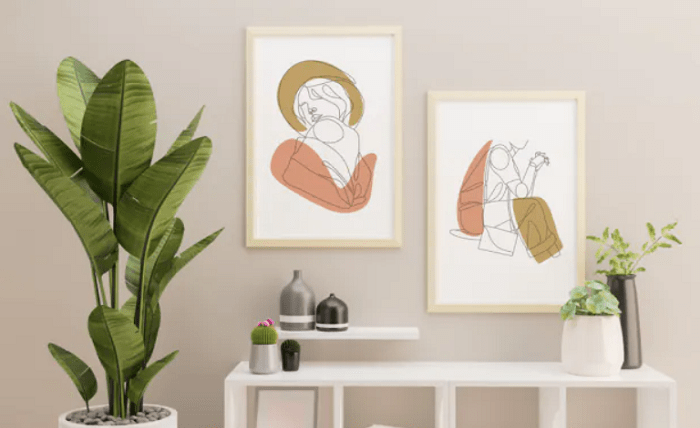
Why Modern and Abstract Art Work So Well Together
Mixing modern and abstract art is one of the most effective ways to create an interior that feels stylish, expressive, and curated. Modern art brings clarity, structure, clean composition, and a sense of design discipline. Abstract art brings emotion, movement, color, texture, and interpretation. When both are used together, the room becomes more layered and visually interesting.
A space with only modern pieces can sometimes feel too controlled. A space with only abstract art can sometimes feel too expressive or unstructured. The combination creates balance. Modern art gives the interior focus, while abstract art gives it energy. This is why designers often use both styles to build rooms that feel sophisticated but not cold, artistic but still polished.
For homeowners who want maximum impact, Musa Art Gallery Art website can help create a strong foundation for an art-focused interior that feels personal, contemporary, and elevated.
Understanding the Difference Between Modern and Abstract Art
Before mixing both styles, it helps to understand what each one brings to a space. Modern art often refers to artwork with clean visual language, strong composition, simplified forms, bold shapes, or contemporary subject matter. It can include portraits, graphic prints, minimal compositions, geometric designs, photography-inspired pieces, and stylized visuals.
Abstract art is less literal. It does not always show a recognizable subject. Instead, it uses color, form, texture, lines, brushstrokes, and movement to create emotion. Abstract art can be soft and calming, bold and dramatic, colorful and energetic, or minimal and neutral.
The key difference is that modern art often feels more direct, while abstract art feels more open to interpretation. When styled together, they create contrast without clashing.
Start With One Dominant Style
The easiest way to mix modern and abstract art successfully is to choose one dominant style. This gives the room direction and prevents the art from feeling random. One style should lead, while the other adds contrast.
If your interior is already very modern, with clean furniture, neutral tones, and sharp lines, abstract art can soften the space. A large abstract canvas above the sofa can add movement and emotion to an otherwise controlled room.
If your space already feels artistic and expressive, modern art can bring structure. A clean graphic print, black-and-white photography piece, or geometric artwork can make the room feel more organized.
Think of the mix as 70% one style and 30% the other. This creates balance and keeps the room from feeling visually confused.
Use Color to Create Harmony
Color is one of the most important tools when mixing different art styles. Even if the artworks are very different, a shared color palette can make them feel connected. This is how designers create rooms that look curated instead of accidental.
Start by choosing two or three main colors that appear across the artwork. For example, if one abstract piece includes black, beige, and terracotta, choose a modern print that also includes at least one of those tones. The pieces do not need to match perfectly. They only need to speak the same visual language.
Neutral colors are especially useful for connecting different art styles. Black, white, cream, grey, beige, and brown can make modern and abstract pieces feel more cohesive. If you want a bolder look, repeat one accent color through the room in cushions, vases, books, rugs, or lamps.
Balance Structure and Movement
Modern and abstract art work beautifully together because they balance structure and movement. Modern pieces often use clean lines, strong shapes, or recognizable compositions. Abstract pieces often bring flow, texture, and visual rhythm.
In a living room, you might place a large abstract artwork above the sofa and add smaller modern prints nearby. The abstract piece creates emotion, while the modern pieces add clarity. In a hallway, you might use a structured modern print next to a softer abstract work to create visual contrast.
The goal is not to make every piece feel the same. The goal is to make the difference feel intentional. A room becomes more interesting when it contains both calm and energy, order and freedom, simplicity and expression.
Mix Large Statement Pieces With Smaller Supporting Art
Scale is essential when mixing art styles. If every piece is the same size, the room can feel flat. A strong interior usually has one main statement piece and a few smaller supporting works.
A large abstract painting can become the focal point of a room. Smaller modern pieces can support it in nearby areas, such as above a console, beside a reading chair, or along a hallway. This creates rhythm throughout the home without making every wall compete for attention.
The opposite can also work. A bold modern artwork can lead the room, while smaller abstract pieces add softness and depth. The important thing is to create hierarchy. One piece should clearly be the star, while the others support the atmosphere.
Create a Gallery Wall With Intention
A gallery wall is one of the best ways to mix modern and abstract art, but it needs structure. Without a clear plan, the wall can quickly look messy. The strongest gallery walls usually have a common element that connects everything.
That connection could be color, frame style, subject matter, size, spacing, or mood. For example, you could mix abstract prints with modern photography, but keep every frame black. Or you could combine colorful abstract pieces with modern graphic designs that share the same bright palette.
Spacing matters too. Keep consistent distance between frames so the wall feels designed. If the artwork styles are very different, clean spacing helps create order. A gallery wall should feel collected, not chaotic.
Let the Room’s Furniture Guide the Art
Furniture plays a major role in how modern and abstract art should be mixed. If the furniture is minimal, you have more freedom to use bold artwork. A simple sofa, clean coffee table, and neutral rug can handle a large expressive abstract piece or a mix of modern prints.
If the furniture already has strong shapes, colors, or textures, the art should be more controlled. Too many bold elements can make the room feel crowded. In this case, choose one expressive artwork and balance it with simpler modern pieces.
The artwork should also respond to the lines of the furniture. A curved sofa can pair beautifully with organic abstract art. A sharp rectangular dining table may look stronger with geometric modern artwork. When the art and furniture support each other, the room feels more professional.
Use Frames to Bring Different Styles Together
Frames are a powerful tool for mixing art styles. Different artworks can feel more cohesive when they share similar framing. Black frames create a clean contemporary look. Natural wood frames add warmth. White frames feel light and minimal. Thin metal frames can create a more refined gallery effect.
If the artwork itself is very bold, simple frames are usually best. If the art is minimal, a stronger frame can add presence. For gallery walls, consistent framing can make mixed styles feel intentional.
You do not always need to frame every piece the same way, but there should be some visual logic. Too many frame colors and materials can make the wall feel scattered.
Place Art According to Mood
Different rooms need different emotional energy. In living rooms, mixing modern and abstract art can create a social, expressive atmosphere. This is a good place for bold colors, large scale, and strong contrast.
Bedrooms usually need a softer approach. Use abstract art with gentle movement and modern pieces with calm composition. Dining rooms can handle dramatic art because they are social and atmospheric. Offices benefit from a mix of focused modern pieces and abstract works that inspire creativity.
Entryways are ideal for one powerful piece that introduces the home’s style immediately. Hallways are perfect for smaller mixed collections that create visual movement from one room to another.
Avoid Overcrowding the Space
One of the biggest mistakes when mixing art styles is using too many pieces. Modern and abstract art both need breathing room. If every wall is filled, the eye has nowhere to rest. This can reduce the impact of each piece.
A designer-level interior often uses restraint. One large artwork on a main wall can be more powerful than five smaller pieces. A clean gallery wall can be more effective than random art spread across every surface.
Think about negative space as part of the design. Empty wall space gives important artwork more presence. It also helps the room feel calmer and more luxurious.
Combine Emotion With Discipline
The best mix of modern and abstract art feels emotional but controlled. Abstract art brings feeling, color, and movement. Modern art brings clarity, edge, and structure. Together, they create a room that feels alive but not chaotic.
This combination works especially well in contemporary homes because modern interiors often need personality. Abstract art prevents the room from feeling too cold. Modern art prevents the room from feeling too loose. The two styles support each other when chosen with intention.
Conclusion
Mixing modern and abstract art is one of the strongest ways to create a home that feels curated, expressive, and elevated. The secret is balance. Choose one dominant style, connect pieces through color, vary the scale, use frames wisely, and let the room’s furniture guide the final composition.
The best interiors do not feel perfectly matched. They feel thoughtfully collected. Modern art adds structure. Abstract art adds emotion. When combined well, they create maximum impact and give the room a more expensive, artistic, and personal atmosphere.