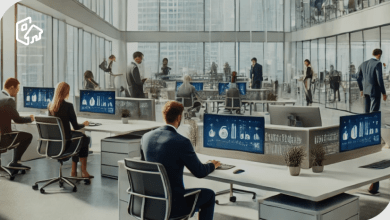
When entrepreneurs and investors calculate a company’s net worth, the focus typically lands on liquid assets, intellectual property, and revenue streams. However, one of the most powerful indicators of a company’s trajectory is often overlooked, which is the physical environment in which the business operates.
For the modern enterprise, the workspace is no longer merely a container for staff and equipment. It is a strategic asset that influences brand valuation, employee retention, and operational efficiency. Much like real estate investors increase equity through upgrades, business leaders can increase their company’s perceived and actual value through the strategic deployment of their physical space. This approach treats the office not as a liability, but as a capital generator.
The Valuation of First Impressions
In the world of high-stakes business, perception often dictates reality. When a potential client, investor, or partner walks through your doors, they immediately begin calculating the value of your organisation based on what they see. A dilapidated or poorly planned office signals stagnation, whereas a thoughtfully curated environment signals prosperity and stability.
This concept is well understood in the residential market. As noted in a guide on transforming spaces through renovation, strategic improvements and careful planning are essential for turning a property into a high-value asset. The same principle applies to commercial spaces. By treating your workspace as a physical manifestation of your brand equity, you effectively increase the ‘net worth’ of your company’s public image.
Investing in professional office interior design allows a business to control this narrative. It ensures that every square metre of the office communicates the company’s core values, whether that is transparency, innovation, or solidity. This visual branding is a tangible asset that contributes to client trust and, ultimately, higher contract values.
Emotional Response as a Performance Metric
Historically, the success of an office was measured by density, or how many desks could fit into a floor plan. Today, that metric has shifted towards human-centric performance. If your staff are the engine of your net worth, the office is the fuel system. A poor design clogs the engine, while a high-performance design accelerates output.
Recent data supports the shift towards experience-based metrics. According to the Global Workplace Survey 2024 by the Gensler Research Institute, top-performing companies now measure workplace success not just by building efficiency, but by the ’emotional response to space’. The report highlights that the workplace experience is a critical driver of performance, influencing how effectively employees can connect and collaborate.
When employees feel a positive emotional connection to their environment, productivity rises. This is not soft science; it is hard economics. A workspace that reduces friction and enhances focus directly improves the bottom line, thereby increasing the company’s overall value.
Protecting Your Human Capital
The highest cost for most modern businesses is not rent, but recruitment and training. High staff turnover is a leak in a company’s balance sheet, draining resources that could otherwise be allocated to growth. In a competitive talent market, the physical workspace acts as a powerful retention tool.
Top-tier talent expects a workspace that supports their lifestyle and working habits. To treat your office design as a retention asset, consider incorporating the following elements:
- Acoustic Zoning: Dedicated quiet areas for deep work prevent the fatigue caused by constant noise interruptions. This ensures high-value tasks are completed without error.
- Collaborative Hubs: Distinctive spaces equipped with the right technology to facilitate seamless teamwork without disturbing others. These zones encourage the cross-pollination of ideas.
- Wellness Integration: Features such as ergonomic furniture, biophilic design using plants and natural light, and breakdown areas that encourage mental rest. These elements reduce absenteeism.
- Brand Alignment: Spaces that remind employees why they work there and what the mission is. This reinforces company culture daily.
By reducing churn through a superior environment, a business preserves its institutional knowledge and reduces the overhead associated with hiring.
The Tangible ROI of Design
Viewing office design as a sunk cost is a fundamental error in business accounting. It is a capital expenditure that should yield a return. This return manifests in faster workflows, higher closing rates with clients who visit the site, and a stronger ability to attract industry-leading talent without inflating salary offers purely to compensate for a poor work environment.
To build a business with a robust net worth, leaders must look beyond the spreadsheet and examine the walls around them. A strategic, well-executed office design is a hidden asset that works quietly in the background, compounding the value of every other investment the company makes.