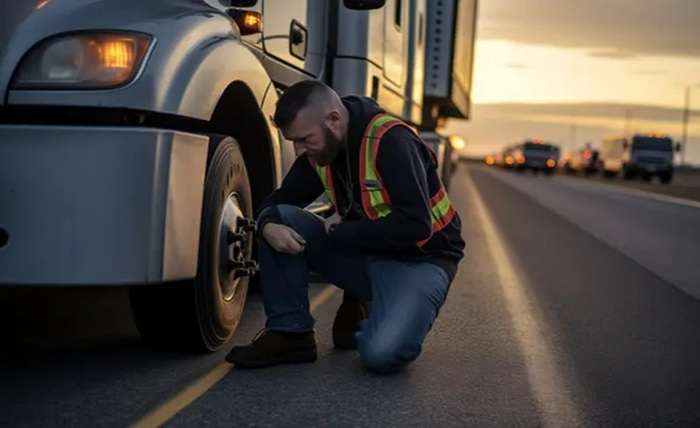
For truck drivers, the road is both a workplace and a lifeline. Covering hundreds of miles daily, hauling goods that keep the economy moving, truckers face unique challenges compared to passenger vehicle drivers. Breakdowns, flat tires, engine trouble, or accidents can disrupt schedules, cause financial loss, and even compromise safety. This is where truck roadside assistance becomes a critical service. Designed specifically for commercial vehicles, it ensures that truckers are never stranded for long, minimizing downtime and keeping supply chains flowing.
Understanding Truck Roadside Assistance
Truck roadside assistance is a specialized service tailored to commercial trucks, semi-trailers, and other heavy-duty vehicles. Unlike standard roadside services for cars, trucks require equipment, expertise, and response strategies that accommodate their larger size, weight, and specialized mechanical systems.
Services often include:
- Towing and Recovery: Trucks cannot simply be towed with standard passenger vehicle equipment. Heavy-duty tow trucks with winches, rotators, and specialized trailers are essential for safely recovering disabled trucks.
- Flat Tire Assistance: Trucks carry multiple tires, and replacing or repairing them on the road requires specialized tools and trained technicians. Many services offer mobile tire repair or replacement at the breakdown location.
- Fuel Delivery: Running out of diesel in remote areas is not uncommon. Roadside assistance providers can deliver fuel to get drivers back on the road.
- Battery Jump-Starts and Electrical Repairs: Large truck batteries and complex electrical systems often require skilled technicians to diagnose and resolve issues efficiently.
- Lockout Services: Losing keys or locking oneself out of a truck cab can cause significant delays. Roadside assistance can provide access without damaging the vehicle.
- Minor Mechanical Repairs: Some services offer on-the-spot repairs for engine, transmission, or brake issues, allowing drivers to continue without towing.
These services are crucial for fleet operators, independent owner-operators, and logistics companies. A truck that is off the road can mean missed delivery deadlines, lost revenue, and potential penalties.
Maintaining a reliable fleet requires more than just mechanical upkeep; it involves staying on top of the administrative nuances that keep operations legal across state lines. While emergency towing and on-site repairs are the immediate lifelines for a driver in distress, long-term stability often hinges on accurate documentation and regulatory adherence. Fleet managers must periodically xplore what’s offered in terms of registration updates and adjustments to ensure their power unit counts remain precise. This proactive approach prevents the administrative bottlenecks that can lead to unexpected fines or delays during roadside inspections. Balancing these regulatory responsibilities alongside physical maintenance ensures that both the vehicle and the business behind it continue to move forward without interruption.
Why Truck Roadside Assistance is Essential
Unlike passenger vehicles, trucks are critical for commerce. A breakdown can disrupt entire logistics chains. Consider a trucking company delivering perishable goods: a delayed delivery due to a roadside breakdown can result in lost revenue and wasted inventory. Moreover, truck drivers spend long hours on highways, often far from service centers. The ability to call for prompt roadside assistance ensures safety, reduces stress, and prevents trucks from being left in potentially hazardous locations.
Safety is another key factor. Commercial trucks are massive, and a disabled truck on the side of a busy highway can pose significant risks to other drivers and the driver themselves. Roadside assistance providers are trained to handle these situations efficiently, setting up proper warning signals, safely recovering vehicles, and minimizing the risk of accidents.
Choosing the Right Truck Roadside Assistance
Not all roadside services are created equal. Truck drivers and fleet operators must consider several factors when choosing a provider:
- Coverage Area: Trucks travel across cities, states, and even countries. Choosing a provider with wide geographical coverage ensures help is available wherever the truck is.
- Response Time: The faster assistance arrives, the less downtime occurs. Providers often advertise average response times, and it’s critical to select one that can respond quickly, especially in remote areas.
- Range of Services: A comprehensive service offering, from towing to fuel delivery to minor mechanical repairs, ensures most roadside issues can be addressed immediately.
- Experience with Commercial Vehicles: Providers familiar with semi-trucks, trailers, and other heavy-duty vehicles are better equipped to handle unique challenges safely.
- 24/7 Availability: Breakdowns can happen at any time. Round-the-clock support is essential to keep drivers moving regardless of the hour.
- Fleet Management Options: Many services offer fleet accounts with tracking, reporting, and billing features, which simplify operations for companies managing multiple trucks.
Cost Considerations
Truck roadside assistance can be offered as part of an insurance plan, a separate subscription, or a pay-per-use service. Subscription-based plans are often more economical for fleet operators or long-haul drivers, as they provide unlimited assistance within the plan limits. Pay-per-use services may suit independent truckers who drive shorter routes or have newer trucks less prone to breakdowns.
Prices vary depending on coverage, response time guarantees, and service range. Investing in a comprehensive plan often saves more money than paying for individual services when emergencies occur. Beyond cost, the value of time saved, safety maintained, and cargo protected makes roadside assistance an essential investment for anyone in the trucking industry.
Technology and Modern Truck Assistance
In recent years, technology has significantly improved truck roadside assistance. Mobile apps and GPS tracking allow drivers to request help with real-time location updates, reducing response times. Some providers use telematics to monitor truck health, alerting drivers and dispatchers to potential issues before they result in breakdowns. This predictive maintenance approach minimizes unexpected downtime and keeps trucks on the road longer.
Additionally, communication technology ensures that drivers in remote areas can reach assistance quickly, and providers can dispatch the nearest available service team. This integration of technology improves efficiency, accountability, and driver confidence.
Best Practices for Truck Drivers
Even with roadside assistance, truck drivers can take proactive measures to reduce the likelihood of being stranded:
- Regular Maintenance: Routine checks on brakes, tires, engine, and lights help prevent breakdowns.
- Emergency Supplies: Carrying basic tools, spare tires, and first aid kits can help manage minor issues until help arrives.
- Know Your Provider: Have roadside assistance contact details readily available and ensure the provider covers your travel routes.
- Plan Routes: Being aware of service stations and rest stops along the route allows for easier access to assistance if needed.
These steps complement professional roadside assistance and enhance safety on the road.
Conclusion
Truck roadside assistance is more than a convenience—it’s a necessity. For truckers who spend long hours navigating highways, it provides peace of mind, safety, and a lifeline in emergencies. From heavy-duty towing and tire repair to fuel delivery and minor mechanical fixes, these services are tailored to the challenges of commercial trucking.
Choosing the right provider, investing in comprehensive coverage, and staying proactive about truck maintenance ensures that trucks spend less time waiting on the roadside and more time delivering goods efficiently and safely. In an industry where time literally equals money, roadside assistance is an investment in reliability, safety, and professional peace of mind.
In essence, truck roadside assistance keeps the wheels of commerce moving—one truck at a time.