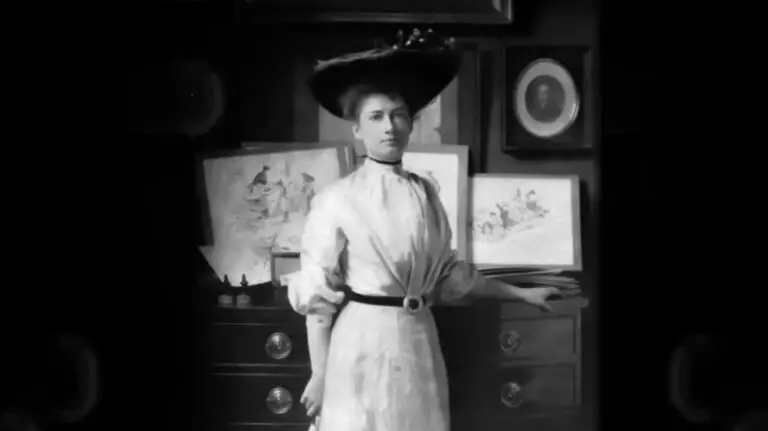
Florence Scovel Shinn, a multifaceted individual known for her roles as an artist, book illustrator, and author, has made a significant impact in the creative realms. Her versatile talents have not only enriched the artistic landscape but have also contributed substantially to her financial success.
With a lucrative net worth attributed to her endeavors in the industry, Florence Scovel Shinn stands as a testament to the rewards that can be reaped through a combination of artistic prowess and entrepreneurial spirit. Today we’re going to cover Florence Scovel Shinn Net Worth, Personal Life, husband, age, height, and other interesting facts.
Florence Scovel Shinn Net Worth
Florence Scovel Shinn, a multi-talented individual renowned as an artist, book illustrator, and author, has left an indelible mark on the creative landscape. Her commitment to honesty in her work has been a defining characteristic throughout her career, earning her the admiration of both peers and fans alike.
As an artist, Florence’s creations have transcended mere aesthetics, providing a glimpse into the depths of her imaginative prowess. Her skills as a book illustrator have illuminated countless narratives, breathing life into stories with vivid and captivating visuals. However, it is her role as an author where Florence Scovel Shinn truly shines. Known for her insightful and empowering writings, she has inspired and guided readers on their journeys of self-discovery and personal growth.
Despite her passing, Florence’s legacy endures, not only through her artistic contributions but also in the financial realm, with her net worth currently estimated at an impressive 2 million dollars. This financial success is a testament to the enduring appeal of her work and the lasting impact she has had on the worlds of art and literature. Florence Scovel Shinn’s net worth reflects not only the monetary value of her creations but also the profound influence she continues to wield in the realms of creativity and inspiration.
- Net Worth: $2Million
- Yearly Income: $100k
- Monthly Income: $8.5k
- Daily Income: $300
At a Glance About Florence Scovel Shinn
| Real Name | Florence Scovel Shinn |
| Nick Name | Florence Scovel Shinn |
| Profession | Artist,Book illustrator, Author |
| Age | died at the age 69 years |
| Height | In feet: 5’6” |
| Weight | In Kilograms: 56 kg |
| Relationship | Not Found |
| Children | Not Found |
| Parents | Info Not available |
| Facebook ID | https://www.facebook.com/florencescovelshinn/ |
| Instagram ID | https://www.instagram.com/florence_scovel_shinn/ |
| Whatsapp Number | Not Found |
| Twitter Account | https://twitter.com/scovel_shinn |
| Linkedin Account | Not Found |
Family & Early life
Florence Scovel Shinn’s early life was characterized by warmth, love, and a deep connection to her family. Immersed in a nurturing environment, she cherished spending time with her loved ones, finding joy in their company and shared experiences. It was during these formative years that she developed a profound interest in the arts, particularly drawn to the worlds of artists, book illustrators, and authors.
This early fascination would later shape her own creative endeavors and inspire her to pursue a path of artistic expression and literary exploration. Florence was known for her sincerity and genuine nature, traits that were evident even in her youth, laying the foundation for the integrity and authenticity that would define her character throughout her life.
Within the bonds of family, there existed a profound affection and mutual respect, fostering an environment where each member cherished the other. To commemorate their cherished moments together and celebrate their bond, they embarked on memorable trips, creating lasting memories that would resonate through the years. Florence Scovel Shinn’s family and early life set the stage for her future endeavors, instilling in her a sense of love, creativity, and sincerity that would guide her journey as an artist and author.
Florence Scovel Shinn Husband
Educations
Florence Scovel Shinn’s educational journey laid the foundation for her multifaceted career. Graduating from a prestigious university with an outstanding CGPA, she demonstrated exceptional academic prowess from the outset. However, her education extended beyond the confines of the classroom. Known for her active participation in co-curricular activities, Florence’s engagement was not limited to academic pursuits alone.
Teachers admired her not only for her scholastic achievements but also for her vibrant personality and enthusiasm for learning. It was during her formative years in education that Florence began to contemplate her true passions in life. This introspection led her to explore avenues beyond traditional academia, eventually embarking on a path as an artist, book illustrator, and author.
Her educational experiences served as the catalyst for her creative endeavors, shaping her into the influential figure she would become in the realms of art and literature. Florence Scovel Shinn’s journey underscores the importance of education as a springboard for personal and professional growth, illustrating how one’s academic pursuits can pave the way for a fulfilling and purpose-driven life.
Professional Life
Conclusion
In the realm of artistic brilliance, Florence Scovel Shinn stands as a multifaceted luminary, excelling not only as a highly accomplished artist and book illustrator but also as an influential author. With a net worth soaring to an impressive $2 million, Shinn has not only mastered the craft of creativity but has also navigated the intricate pathways of financial success.
Her proficiency as an artist, combined with her prowess in literature, has paved the way for a lucrative professional journey, where she not only manifests her creative vision but also reaps the rewards of her undeniable talent. In this exploration of Florence Scovel Shinn’s conclusion, we unravel the fascinating tapestry of her achievements and delve into the financial fruits borne from her remarkable professional endeavors.